
By: Jon Verzosa & Jane Andes
Published: April 13, 2026
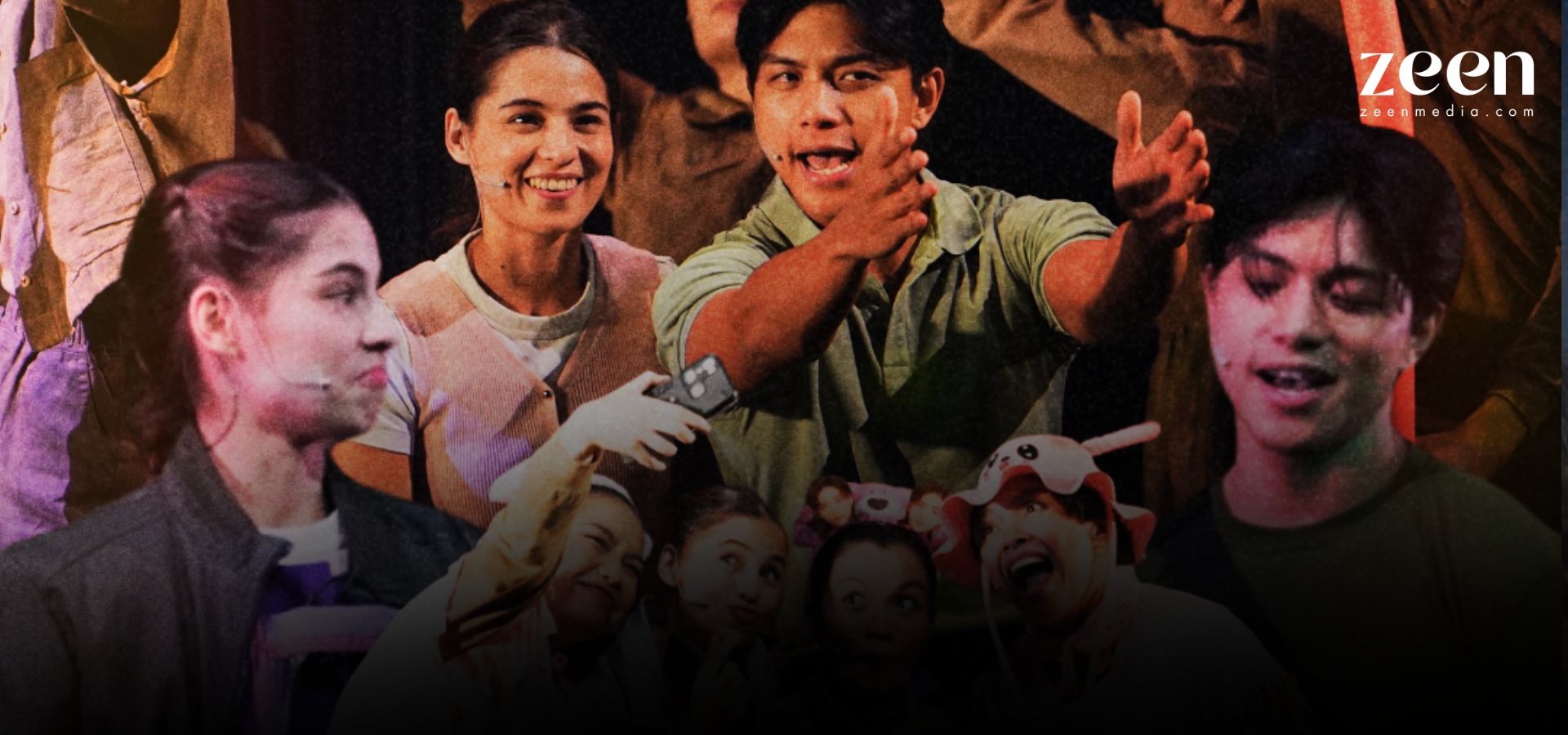
Some lives don’t move in straight lines. They rush, overlap, and collide, shaped by deadlines, shifting schedules, and the constant need to keep going. In Endo, that chaos becomes the story.
Now running at the PETA Theater Center until May 10, 2026, the stage adaptation of the 2007 indie film leans into the unstable rhythm of contractual work in the city. Produced by PETA Plus and Ticket2Me, and directed by Melvin Lee with a script by Liza Magtoto, the play reframes a familiar narrative into something more immediate, physical, and emotionally charged.

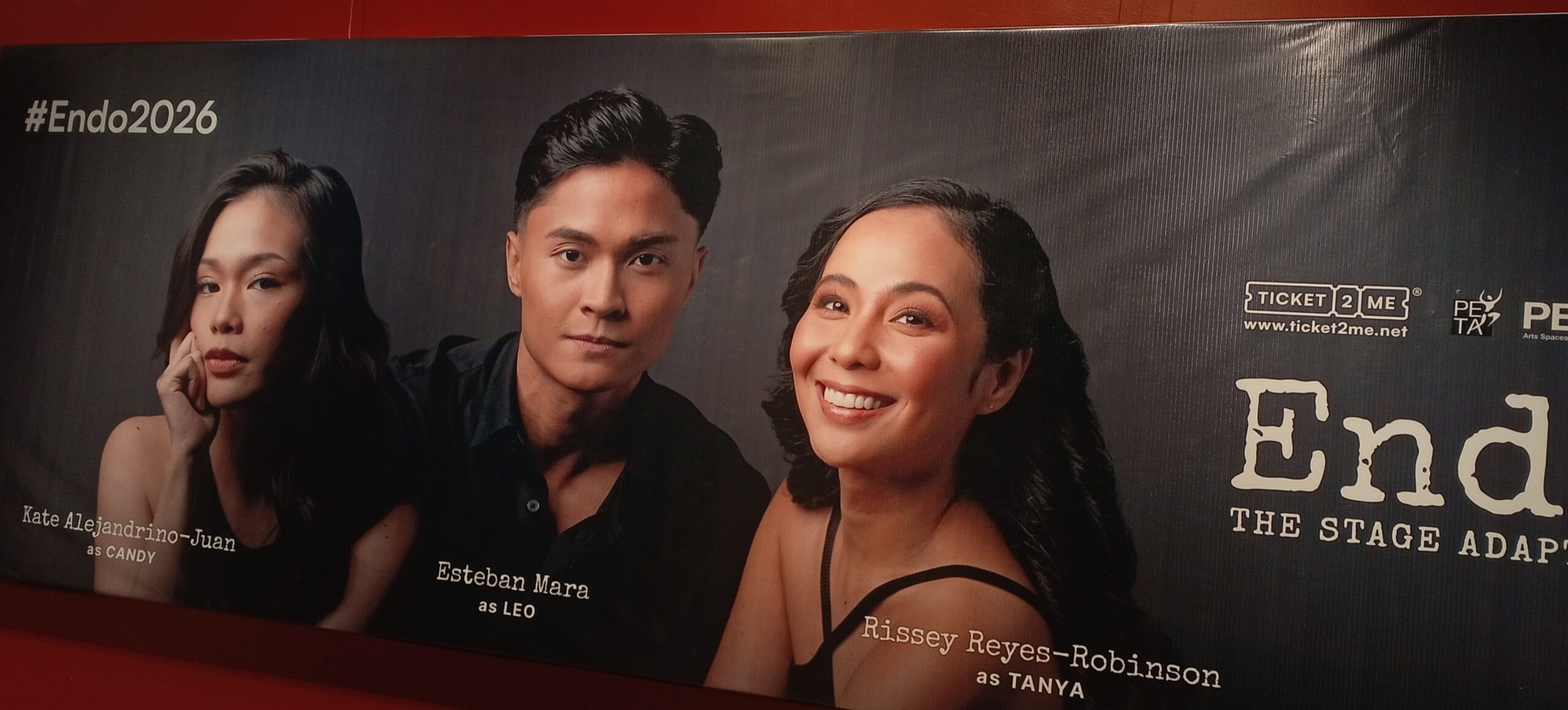
The main cast features Jasmine Curtis-Smith and Rissey Reyes-Robinson alternating as Tanya, alongside Esteban Mara and Royce Cabrera alternating as Leo, with Iana Bernardez and Kate Alejandrino-Juan alternating as Candy.
A life that doesn’t slow down
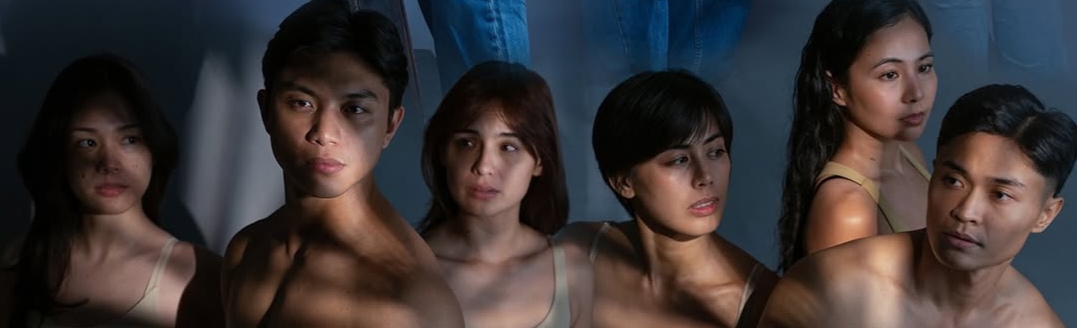
At the center of Endo is a relationship shaped by speed. Leo and Tanya meet in the middle of already full lives, where work is constant and rest feels like a luxury. Tanya moves between multiple jobs while building a future abroad, holding onto the idea that something bigger is possible. Leo, meanwhile, is grounded in the present, choosing what is immediate and necessary, even if it means setting aside his own ambitions.
Their dynamic reflects a reality many Filipinos recognize. Dreams are not simply chased, they are adjusted, delayed, sometimes even compromised. The play allows these tensions to unfold in waves, from lighter, almost playful moments to confrontations that hit harder because they feel so close to home.
There are scenes that quietly build before fully landing. A conversation about leaving versus staying. A hesitation that lingers longer than expected. Even a sudden scare that forces both characters to confront what they are willing to risk. These narrative turns add texture without giving everything away, letting the audience sit with the uncertainty that defines the characters’ choices.
Instability as both theme and form
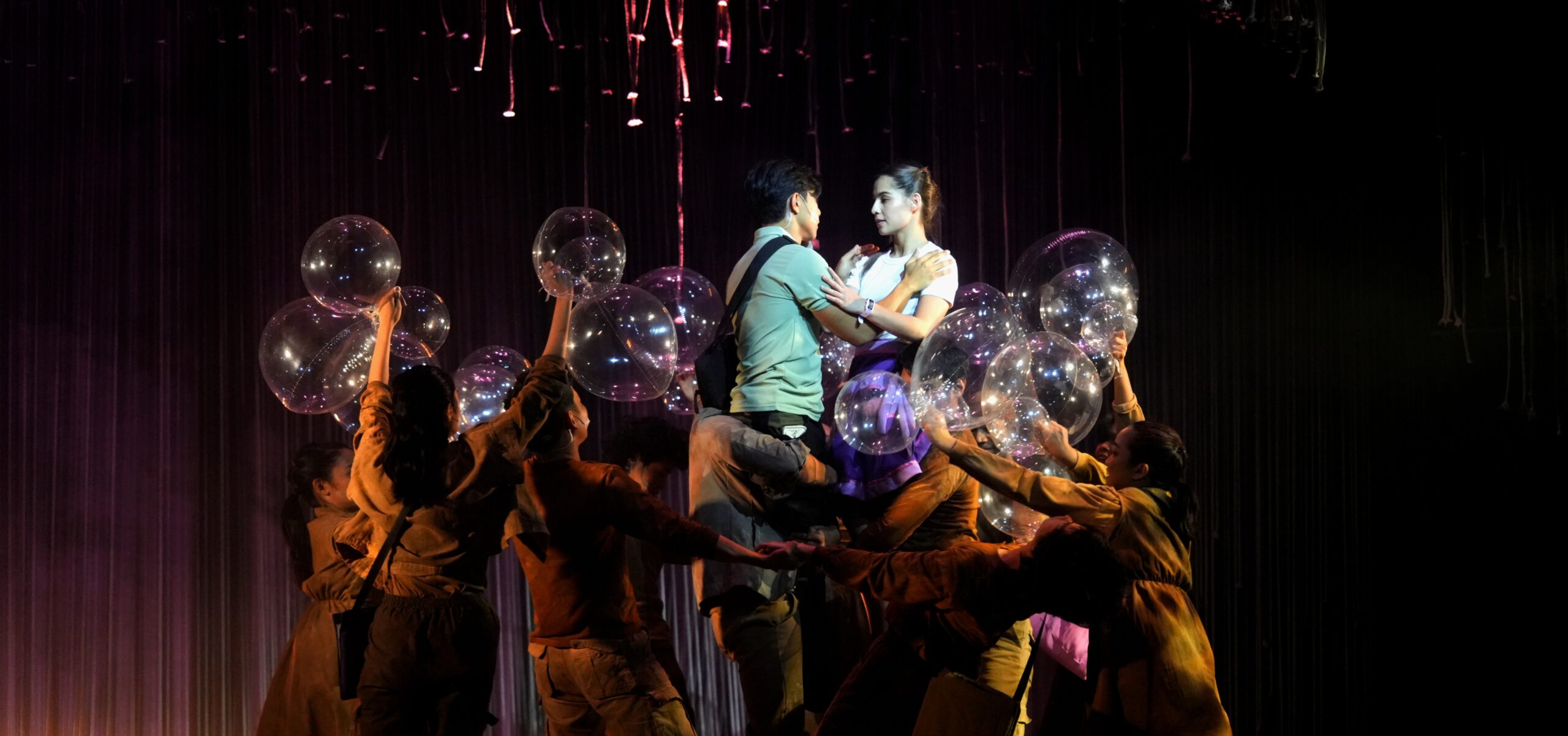
What makes this adaptation distinct is how it translates instability beyond the script. The production embraces movement as a central storytelling tool, with transitions that feel continuous, mirroring the nonstop pace of its characters’ lives.
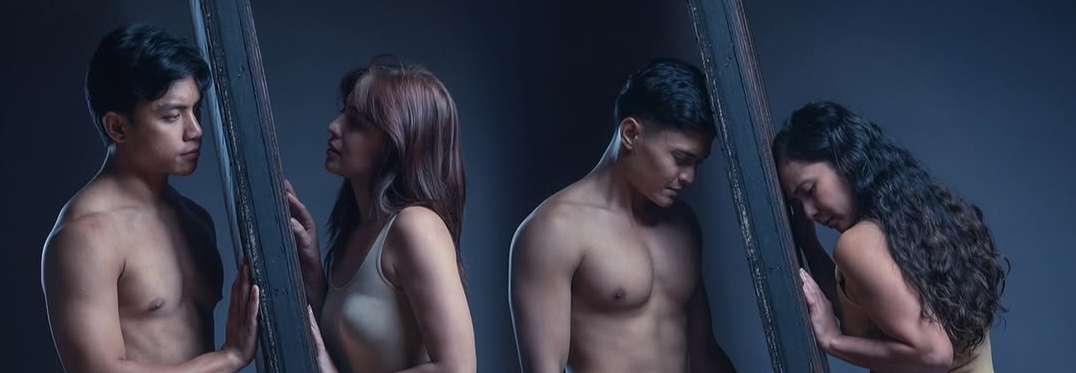
The staging itself reinforces this idea. The space shifts and tilts, requiring the actors to constantly adjust, grounding the theme of imbalance in something physical.
As director Melvin Lee shared, “Given the context of the world of Endo, where precariousness, imbalance and instability is very evident, I had an instinct to translate that in the actual space.” The result is a staging choice that doesn’t just support the story, but actively shapes how it is experienced.
Lee’s approach also extends to the process behind the production. “I super value collaboration,” he said. “I believe that as a director I should be very clear in providing the general vision… but also balance ideas emerging during rehearsals.” That balance is visible in how the play feels both structured and alive, allowing moments to land naturally without losing direction.
That sense of control within chaos is also reflected in the performances. As Leo, Esteban Mara (alternating with Royce Cabrera) anchors the character in restraint, allowing tension to build gradually before it breaks. His portrayal leans into hesitation and internal conflict, making each emotional shift feel earned rather than immediate. It’s a performance that mirrors the play’s larger themes, where movement is constant, but clarity takes time.
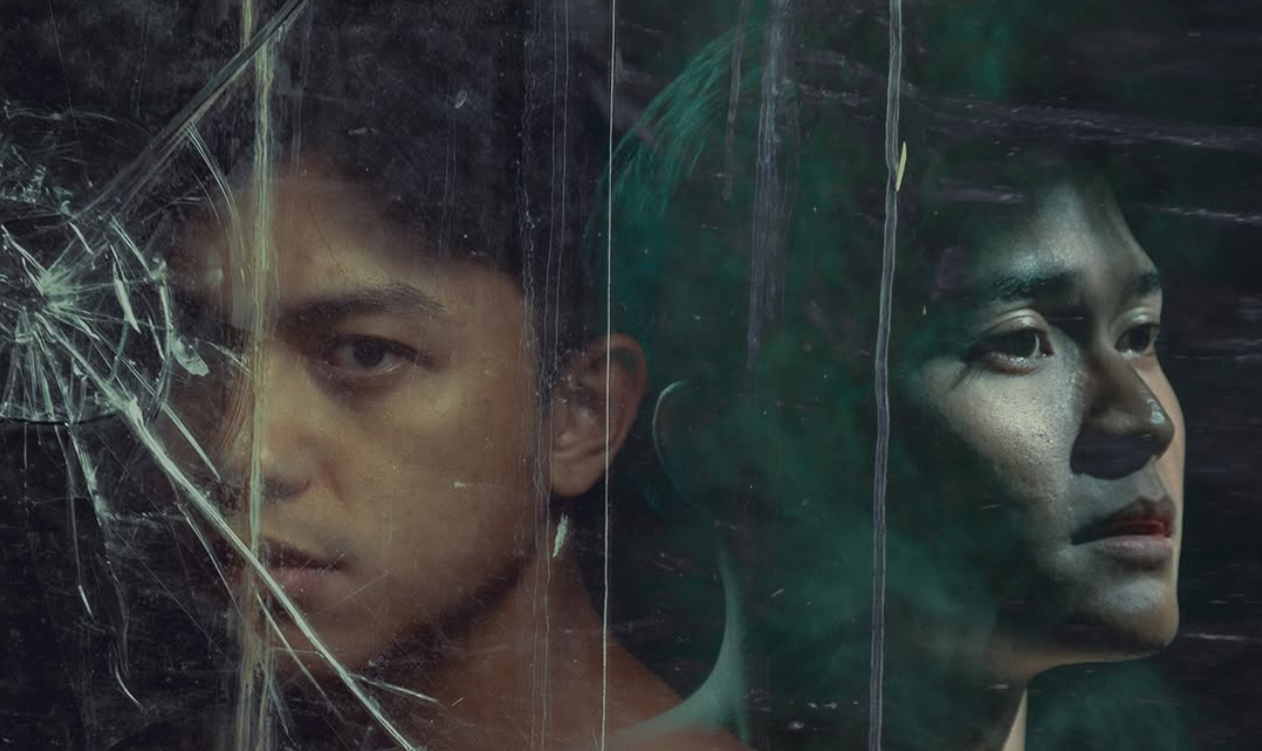
Opposite him is Tanya (alternating with Jasmine Curtis-Smith and Rissey Reyes-Robinson) whose drive and optimism create a necessary counterpoint. Her forward motion pushes the story, even as moments of doubt begin to surface. Together, they form a dynamic that feels both intimate and unstable, shaped by timing, circumstance, and the weight of everything outside their control.
Holding on to something that keeps shifting
Despite its heavy themes, Endo makes space for humor and warmth, often arriving at the most unexpected moments. These lighter beats keep the story grounded, making the emotional turns feel more earned rather than overwhelming.
Beneath it all is a reality that continues to resonate.
“I experienced poverty… I have lived being in the ‘laylayan’ and worked my way to be where I am today,” Lee shared, pointing to the lived experiences that inform the production’s urgency. That perspective is felt throughout the play, shaping not just its narrative, but its emotional core.
Endo ultimately leaves its audience with a question that lingers beyond the final scene. In a life defined by instability, where plans shift as quickly as circumstances change, what does it take to keep dreaming?
The play doesn’t offer easy answers. Instead, it shows how people continue anyway, holding on to something, even as everything else moves.
PHOTO: TICKET2ME/PETAPLUS (via Instagram) and Jamin Lim