I’ve been a horror fan since birth—but more than that, I carry a strange, personal nostalgia for the Arab world. I once lived eight years immersed in its language, its textures, its quiet mysticism. Cairo, in particular, never really left me. So walking into Lee Cronin’s The Mummy, I wasn’t just entering a horror film – I was stepping into something that felt eerily like a distorted version of “home.” And that’s what struck me first: this isn’t just horror. It’s recognition. A memory turned inside out – familiar landscapes rendered hostile, sacred spaces violated, and the past refusing to stay buried. There is a kind of emotional archaeology at play here, where every layer unearthed reveals something more unsettling than the last.
At its core, The Mummy is not interested in spectacle the way earlier iterations were. Gone is the swashbuckling charm and glossy adventure; in its place is something far more suffocating, more intimate, and far more punishing. Cronin reimagines the monster not as an object of fascination, but as a manifestation of consequence – an ancient force that judges. This is horror that clings to the body and psyche, refusing to let go even after the screen fades to black.
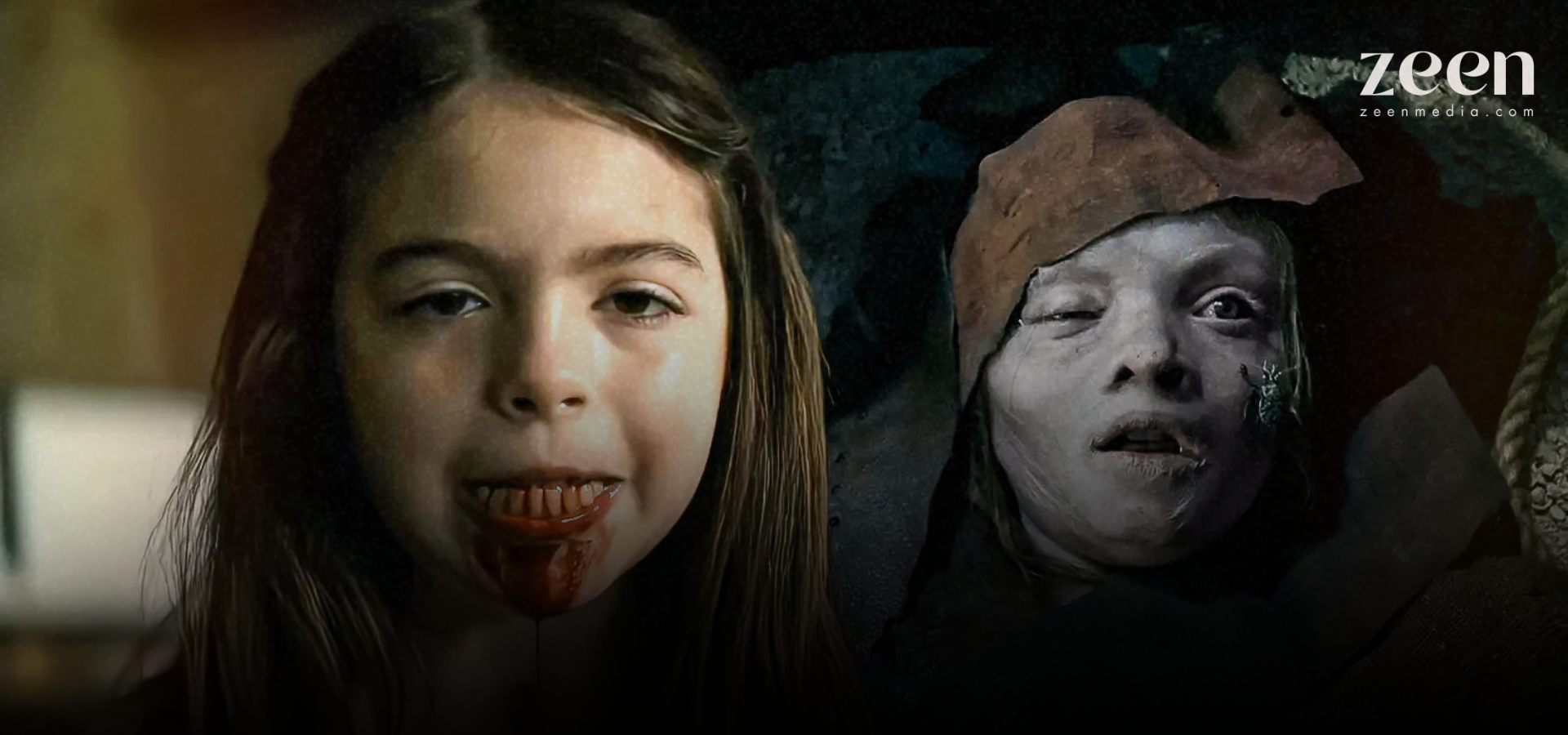
The premise is deceptively simple: a journalist’s young daughter disappears into the desert without a trace, only to return eight years later. But what comes back is not entirely her. What unfolds is less a supernatural mystery and more an emotional autopsy – of a family fractured by grief, then forced to confront its return in the most grotesque and intimate way possible.
Because beneath all the skin-tearing, nail-breaking, shock-inducing body horror lies something almost classical: a family drama. The film understands that terror is most potent when it is personal. Here, the home becomes a site of dread. Love becomes vulnerability. And reunion — what should be sacred — becomes something deeply cursed. There’s also an unmistakable thread of arrogance running through the narrative – the age-old warning against trespassing into sacred, ancient spaces. But Cronin strips this of any romanticism. There is no wonder here, no sense of discovery – only consequence. The horror feels earned, as if summoned not just by action, but by a deeper moral imbalance. It’s not just about what was disturbed, but why it was disturbed in the first place.
Watching it, I found myself disoriented in a way that lingered long after. It felt almost like attending mass after witnessing something profane. As a Catholic, there’s a layer of sacrilege here that cuts deeper- not just visually, but spiritually. The film doesn’t just aim to disturb the senses; it unsettles belief systems. You feel it in your gut, in your breath, in the uncomfortable silence that follows each grotesque escalation. And make no mistake – it is relentless. The experience feels almost punishing in both duration and intensity. By the end, the theater wasn’t just watching – we were all enduring. There were gasps, groans, nervous laughter – reactions born not just from fear, but from sheer exhaustion. It’s the kind of film that doesn’t politely ask for your attention; it demands your submission. Even the way three languages (Arabic, Spanish and English) interlace mercilessly in the film is maddening.
My personal takeaway: The Mummy weaponizes family. It reminds us that the very thing that grounds us—our sense of home, of belonging, of unconditional love—can also be the most terrifying thing to lose… or worse, to have returned to us, altered beyond recognition. In Cronin’s hands, grief is not just an emotion; it is a living, breathing entity. And it is merciless.
This is not the Mummy you remember. This is grief, unearthed. This is horror, consecrated in dread. Now showing in Philippine cinemas starting April 15—watch it if you dare. Drink vitamins if you must, but stay away from deviled eggs.