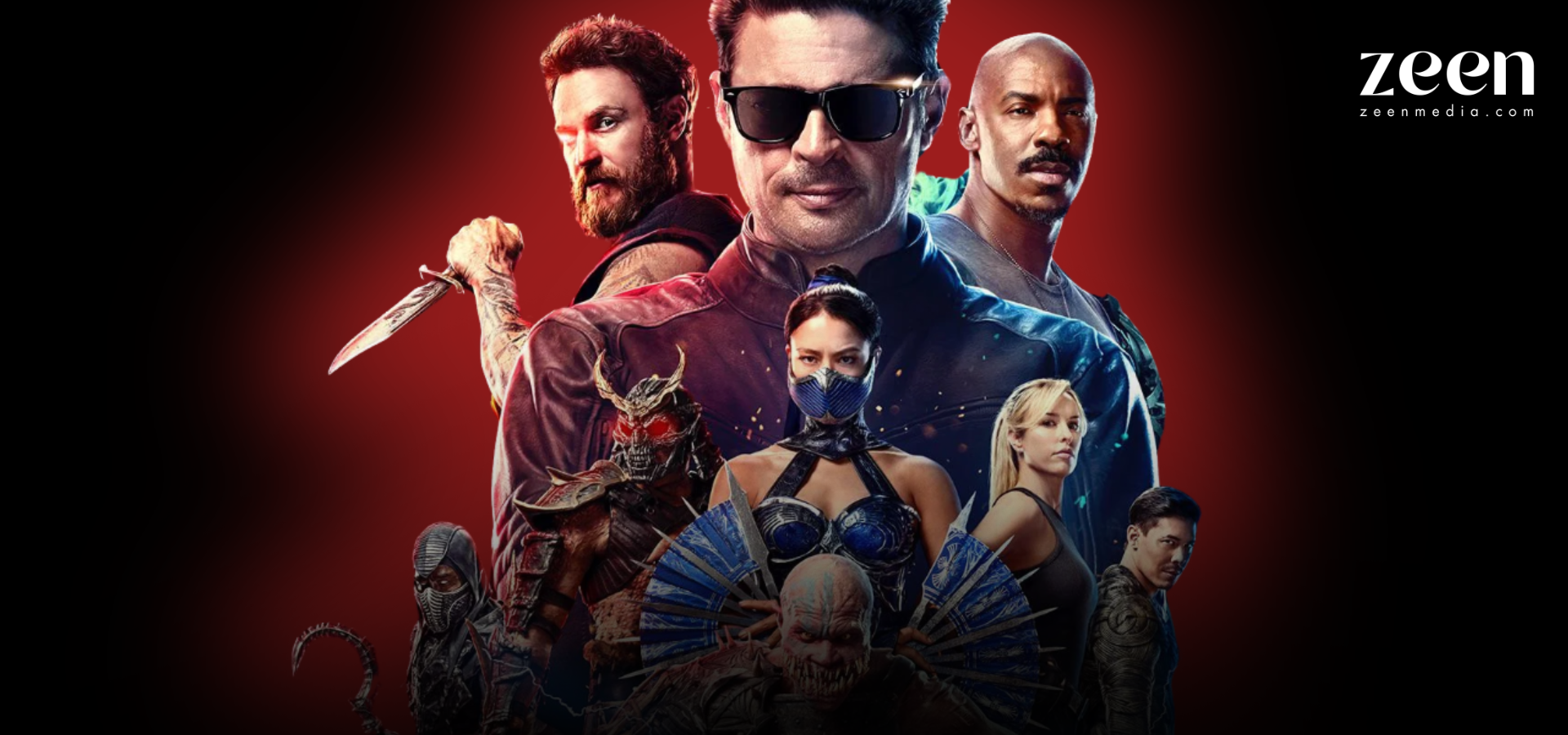
Even without seeing the 2021 film prior to watching Mortal Kombat II, it is surprisingly easy to jump into because the movie appears to operate on pure momentum. The structure feels almost arcade-like: enter a new setting, exchange lore just long enough to set stakes, then launch into another massive fight sequence. It’s simple, but the simplicity seems intentional rather than lazy.
What really stands out to me is how much attention was placed on the sequencing of the action itself. The fights reportedly don’t just exist to check a box every few minutes; they escalate in scale, tension, and ridiculousness in ways that mimic progressing through game levels or boss rounds.
The fighting choreography sounds cleaner, heavier, and more dynamic this time around, especially in how different fighters are given distinct styles instead of blending into one another.

And honestly, the movie being this fan-service-first might be exactly why it works. There’s apparently very little hesitation in giving audiences recognizable moves, brutal fatalities, game callbacks, and larger-than-life character moments. Rather than apologizing for being based on a fighting game franchise with decades of chaotic lore, the sequel seems to embrace how inherently over-the-top Mortal Kombat has always been.
That commitment does come with tradeoffs. The story itself appears secondary to the spectacle, with emotional depth taking a backseat once the fights begin stacking on top of each other. But the movie doesn’t really sound interested in prestige storytelling anyway. Its priority seems to be pace, payoff, and making every encounter feel crowd-pleasing enough to earn a reaction in a packed cinema.
A huge part of that energy reportedly comes from Karl Urban’s Johnny Cage, whose arrival injects a more chaotic and self-aware tone into the film. From what’s been circulating, the character lands somewhere between comic relief and genuine scene-stealer without completely breaking the movie’s rhythm.
What makes Mortal Kombat II interesting is that it doesn’t seem embarrassed by its own identity. The sequel apparently understands that audiences came for stylish violence, iconic characters, ridiculous mythology, and fights that feel as exaggerated as the games themselves. So instead of resisting that expectation, it builds the entire experience around it.
And for a franchise like Mortal Kombat, that may honestly be the smartest move it could’ve made.