

Work, meetings, and errands have schedules and respecting one’s time is essential to determine professionalism. If someone repeatedly arrives late without communicating or making an effort to improve, that is a legitimate workplace issue.
Heart Evangelista recently shared a blunt reminder about punctuality: “Late is late. Walang excuse. You wanna work? Be there on time. Sinuswelduhan kita.”
]The statement is straightforward. Its premise is understandable: if you’re being paid to work, you are expected to show up when you’re supposed to.

Yet viewing every late arrival as a personal failure ignores reality. For many Filipino workers, punctuality involves navigating unreliable jeepneys, long queues, heavy traffic, bad weather, and costly ride-hailing options.
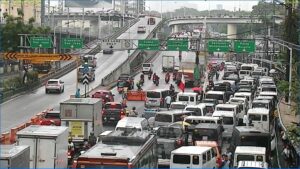
What happens when the person is doing everything right, and the system still gets them there late?
Discipline still matters, but so does reality
To be fair, employees are not powerless in this equation. If you know your commute takes two hours, leaving twenty minutes before your shift and blaming traffic isn’t exactly responsible. If you’re running late, informing your supervisor is basic professionalism. And if someone repeatedly arrives late despite having reasonable ways to prevent it, employers have every right to address the pattern.
But discipline itself cannot fix a flooded road, make a delayed train move faster, create a jeepney where there isn’t one, nor can guarantee that the traffic will behave exactly as it did yesterday.

The Cost of Being “On Time”
There is also a financial reality behind punctuality that is easy to overlook. For workers who rely on public transportation, getting to work earlier can mean paying for more rides, taking more expensive routes, or resorting to ride-hailing when public transport becomes unreliable. That isn’t an insignificant consideration for someone working on a modest salary.
The Philippine government has itself acknowledged the pressure transportation costs place on workers and commuters, particularly amid fuel-price increases. In July, President Ferdinand Marcos Jr. described transport as among the sectors most affected by rising fuel prices, with drivers, passengers, workers, and businesses bearing the impact.
So when we tell workers to simply “leave earlier,” we should also ask: Earlier by how much? And at whose expense?
When Accountability Only Goes One Way
This is where workplace conversations about punctuality can become uncomfortable. Employees are expected to account for their time.
But are employers expected to account for the conditions surrounding that time? If punctuality is important to a company, then perhaps companies should also consider what makes punctuality realistically possible.
Leaving space for nuances when it comes to the external factors of someone arriving late is not about lowering standards. They’re questions about whether standards are being applied with enough understanding of reality. Because a workplace can demand accountability without demanding that workers pretend they exist outside the systems they depend on.
So, Is Being Late a Discipline Problem?
Absolutely. But sometimes, it’s a transportation problem. A weather problem. An infrastructure problem. A financial problem. A workplace-policy problem. And sometimes, it’s simply bad luck. The danger of saying “late is late” without qualification is that it turns all of these circumstances into one moral judgment: irresponsible. That may be convenient, but it isn’t necessarily accurate. Workers should be held accountable when they are genuinely at fault. They should communicate, plan ahead, and make reasonable efforts to arrive on time.
But people in positions of influence should also be careful about presenting punctuality as though it exists in a vacuum. Because if being late is always the worker’s failure, then we never have to ask why getting to work in the first place has become so difficult.
Maybe the better question isn’t simply, “Why were you late?” but “What made it so hard for you to get here on time and what can we actually do about it?” That’s not an excuse but accountability with context.
PHOTO from MMDA (via Facebook)