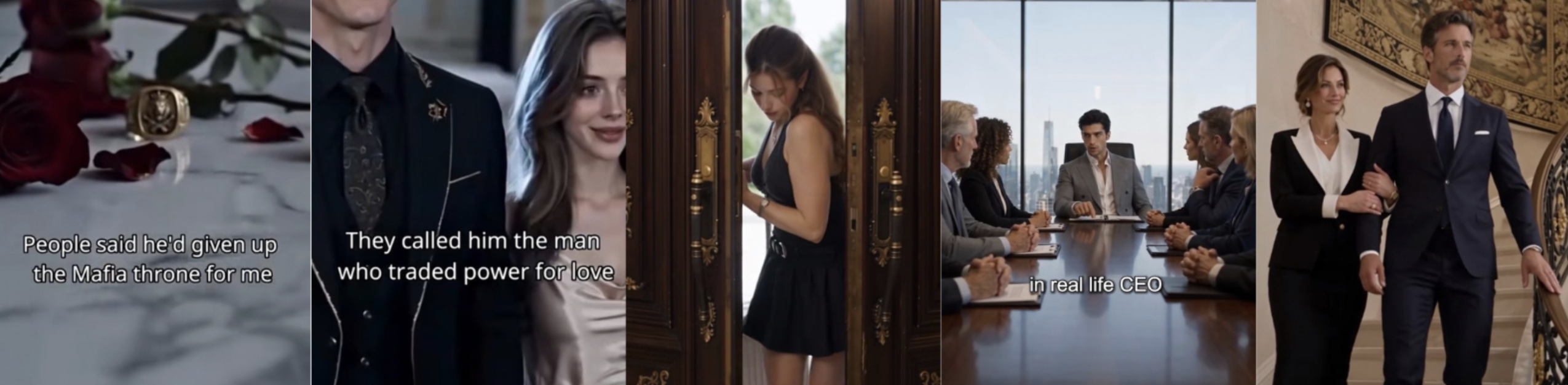
AI-generated verticals have been swarming everyone’s FYPs lately, featuring bizarre storylines and exaggerated dialogues. But despite its attempts to mimic the human experiences and compensate through countless episodes, something feels too curated and mechanized.
Art is notoriously complex and tightly weaved to human truths, and so are the differences between good art and bad art.
At the end of the day, despite the clash it can face, bad art had someone to make a lot of decisions to get it wrong. That might sound like a strange defense of bad art, especially at a time when AI can produce an image, poster, menu, caption, or campaign concept in the time it takes to finish a cup of coffee. But something is worth preserving in work that visibly carries the fingerprints of its maker.

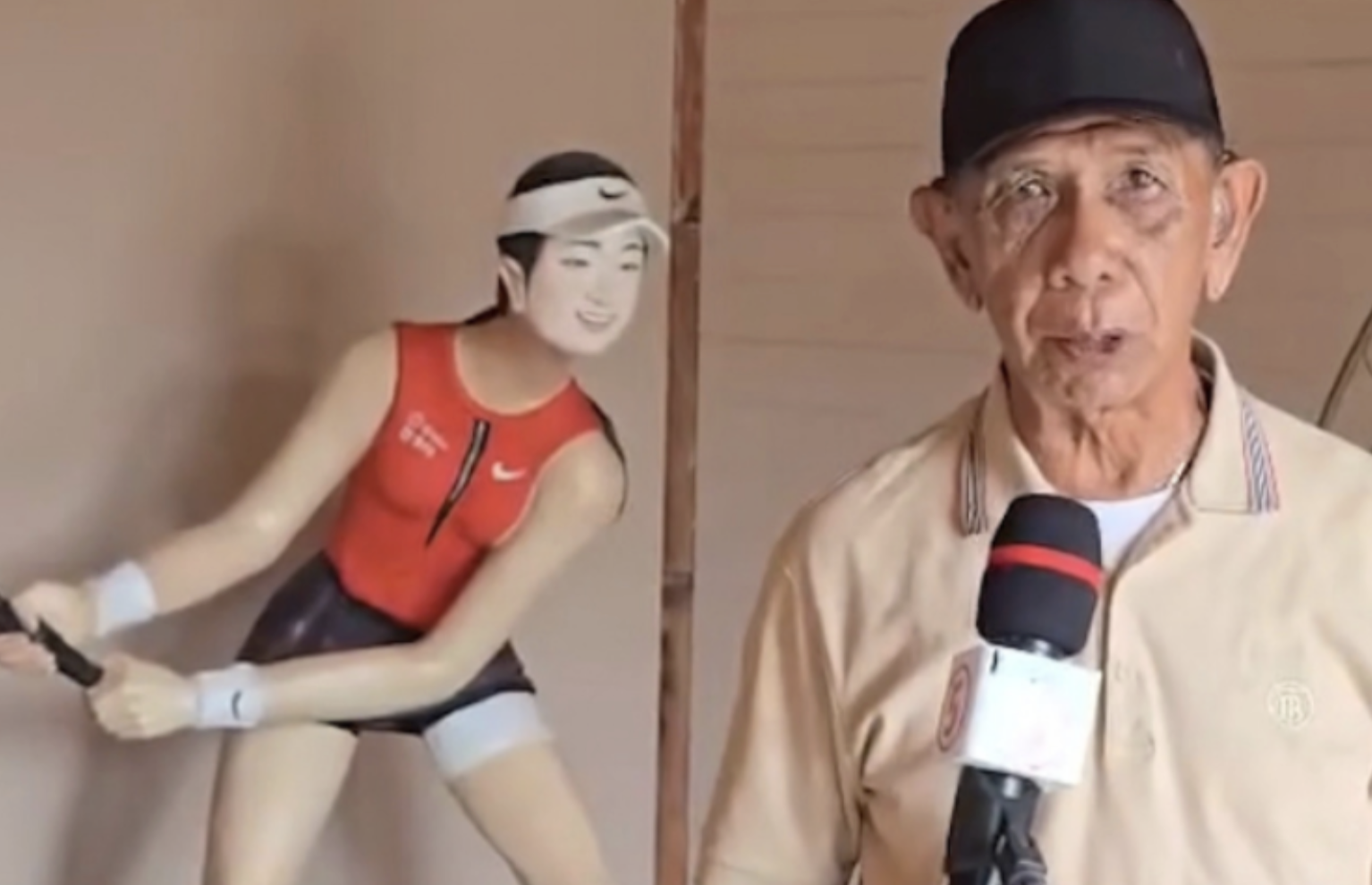
The life-like statue of Alex Eala that is located at Paraiso de June Quixote Ecofarm Resort in Naic, Cavite is a good example. The sculpture became an easy target online because of its questionable likeness to the tennis star. The artist later apologized and explained that he had spent more than a week working on it, including several days on its details. The statue is imperfect, but so is the fact that someone stood there and made it.
 That eye for craftsmanship is becoming harder to ignore as AI-generated work fills our feeds. There is a particular sameness to the current wave of AI marketing alongside the impossibly glossy food, the generic “cozy” café aesthetic, the overloaded poster, the suspiciously perfect lighting. Everything looks polished enough to pass and interchangeable enough to forget.
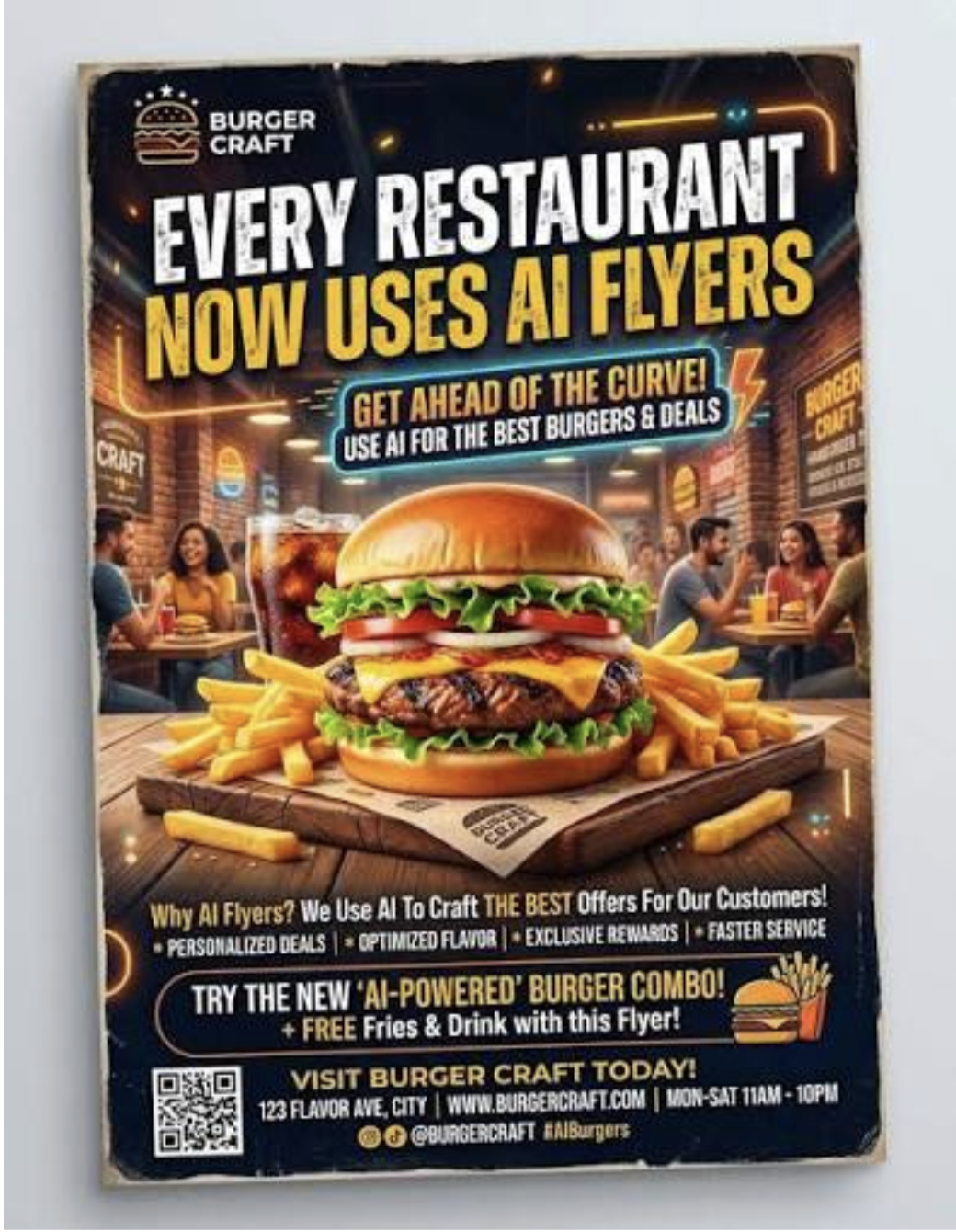
It can look finished without feeling authored. However, every brushstroke, sentence, cut, color, composition, performance, and tiny correction is a decision. Some are deliberate, can happen instinctively, or mistakes that survive long enough to become part of the work. AI collapses most of that process into a prompt.
The difference becomes especially visible when the work gets specific. Take Patay Gutom, one of this year’s CinePanalo entries. Its rotoscope animation has been criticized by some viewers, while others have understood the unusual visual treatment as part of the film’s creative language.
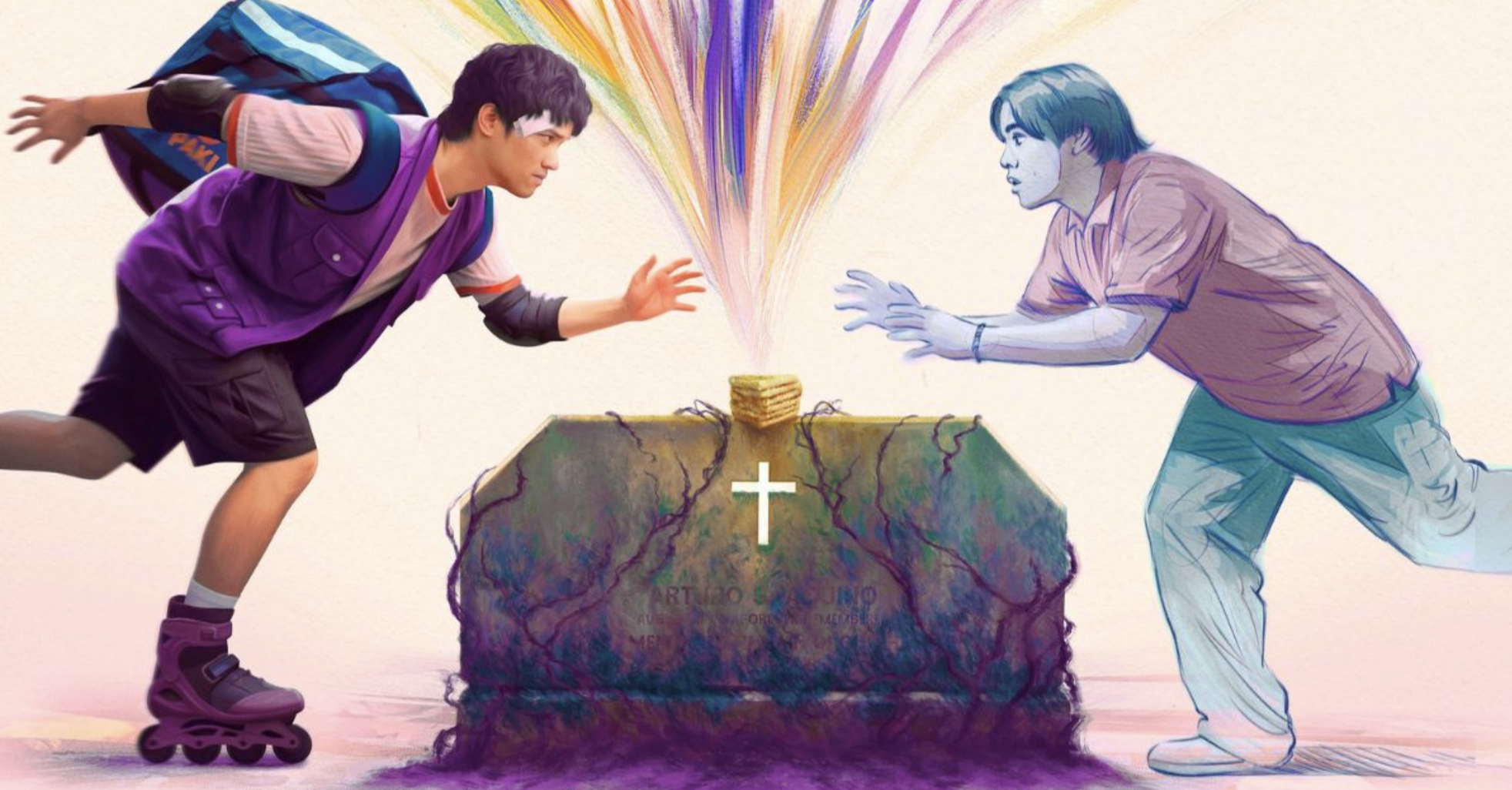
That is what a creative medium is supposed to allow. The problem with AI isn’t simply that it can make bad art. Humans have been doing that perfectly well for centuries. The problem is that it can make acceptable-looking art without requiring the same depth of decision-making.

Nobody develops a voice by producing only things that already sound correct. You make bad work. You copy things you like. You overdo it. You cringe at something you wrote six months ago. You try again. Eventually, your choices start sounding like yours.
Some things are supposed to take a while. A film can take years to make. A song can sit unfinished for months. A sculpture can take days to shape. A story can go through five drafts before it finally finds its point. The fact that a machine can produce something faster does not make the human process obsolete. It makes the human process easier to undervalue.
And in an increasingly frictionless creative culture, that evidence of trying might be worth more than another perfectly generated thing that nobody remembers.