
The name alone practically invites assumptions. Three girls from a musically recognized family entering the industry together? Of course people would say music runs in their DNA. But when ZEEN sat down with Julia, Tasha, and Ezri, the trio quickly went beyond that narrative.

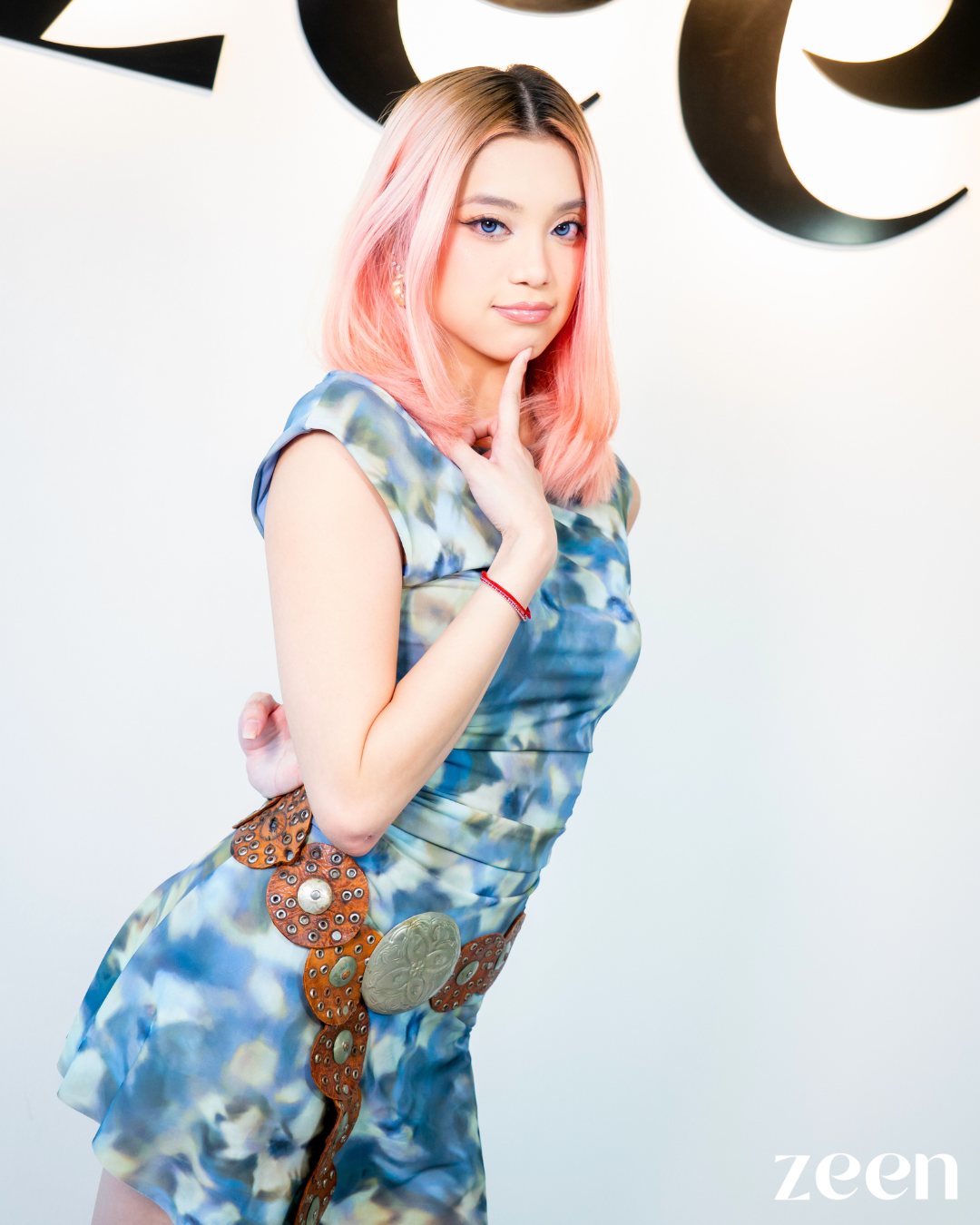
“I believe that it runs in our DNA but it’s still something that we’re working to improve and refine and that’s something we’re still definitely doing now. We’re still training, we’re doing lessons, you know, to make it better,”
Ezri shared.

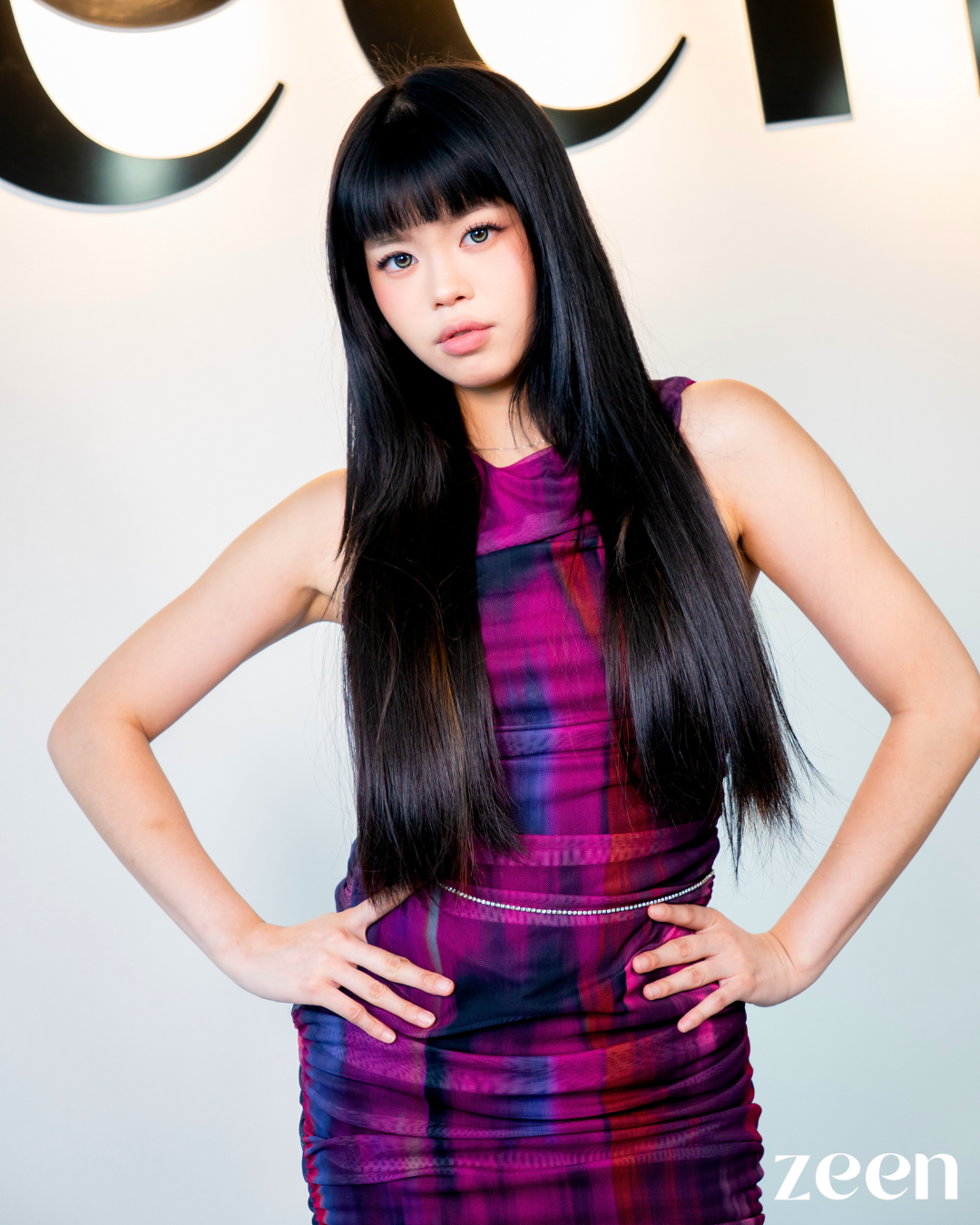
Then another immediately follows it up with something far more grounded:
Between hard work, legacy and individuality, DNA’s story forms. Despite the group’s name, the members never speak about music like it was simply handed to them. They speak about it like something they continuously chase.
“I feel like, for me, I was always interested in it when I was super young, because, you know, we grew up going to our tita’s concert, so, of course, that made me want to be a performer too,” Tasha shares as she shares her personal beginning on performing.
The trio recalls growing up constantly surrounded by music and performance, but not necessarily being raised to become performers themselves.
There were no narratives about being “born stars.” No stories about perfectly planned idol careers from childhood. Instead, DNA’s path toward music sounds surprisingly messy, uncertain, and deeply human.

One member almost gave up on music entirely before the group formed. Another thought she’d eventually work in advertising or creative industries. One imagined a future in theater production. Another jokingly says her life plan was “to get married, make soap, and retire.”
In another universe, DNA may never have existed at all. That reality is part of what makes the group compelling within today’s P-pop landscape. Their story doesn’t feel engineered backward to look perfect. It feels lived-in.
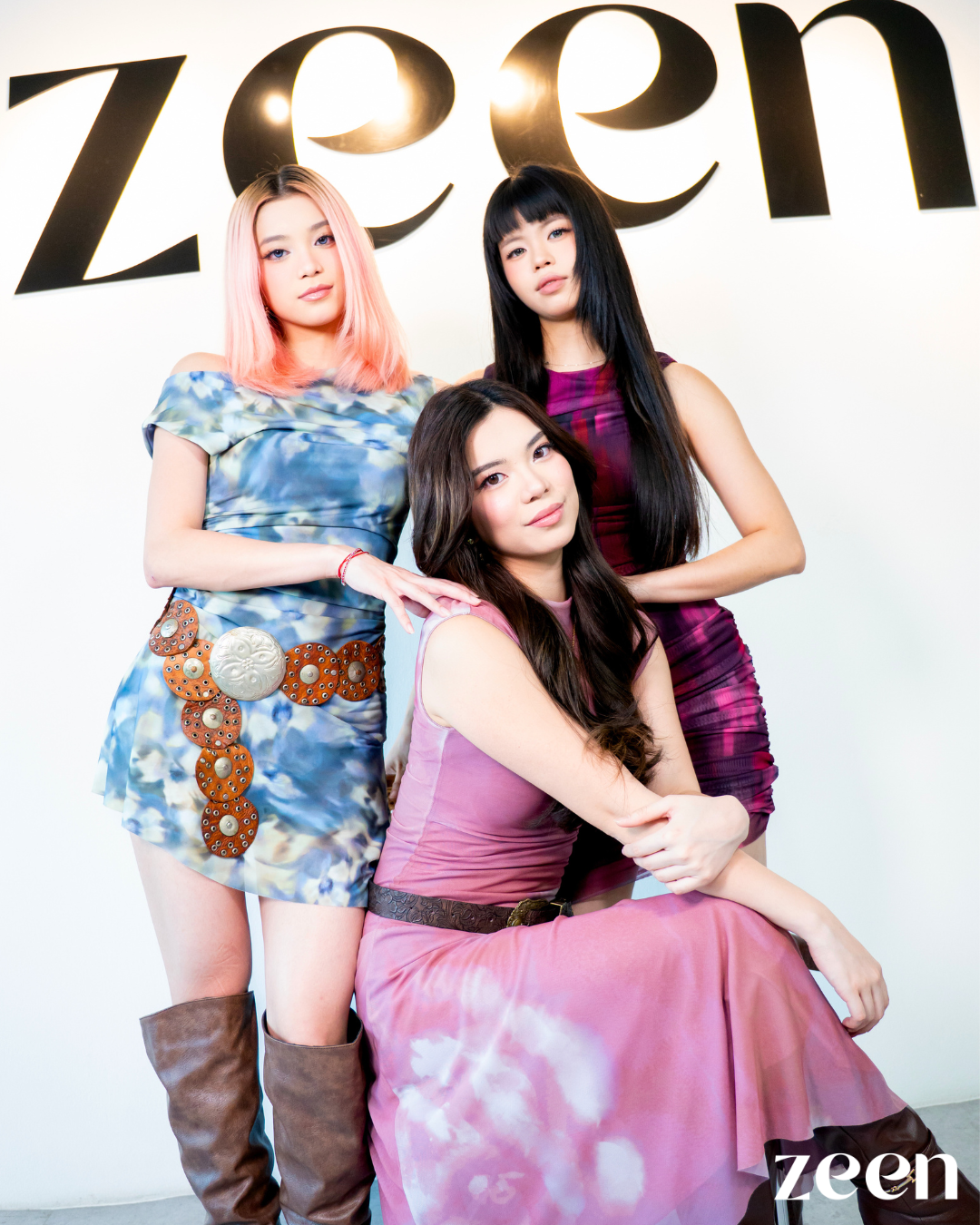
These stories are smaller and quieter than the grand “destined for stardom” narratives audiences are used to hearing from pop acts. But maybe that’s why they resonate more.
“We tried not to like it, I think. But we all just, like, gravitated towards music or anything in the form. So, eventually, we just kind of came together.” Ezri opens up.
DNA doesn’t romanticize talent. Throughout the interview, the group repeatedly emphasized training, improvement, and discipline. They openly acknowledged that they are still learning vocally, still refining their sound, and still trying to become better performers every day.
And maybe that honesty is what separates them from the polished perfectionism often expected from idol groups.
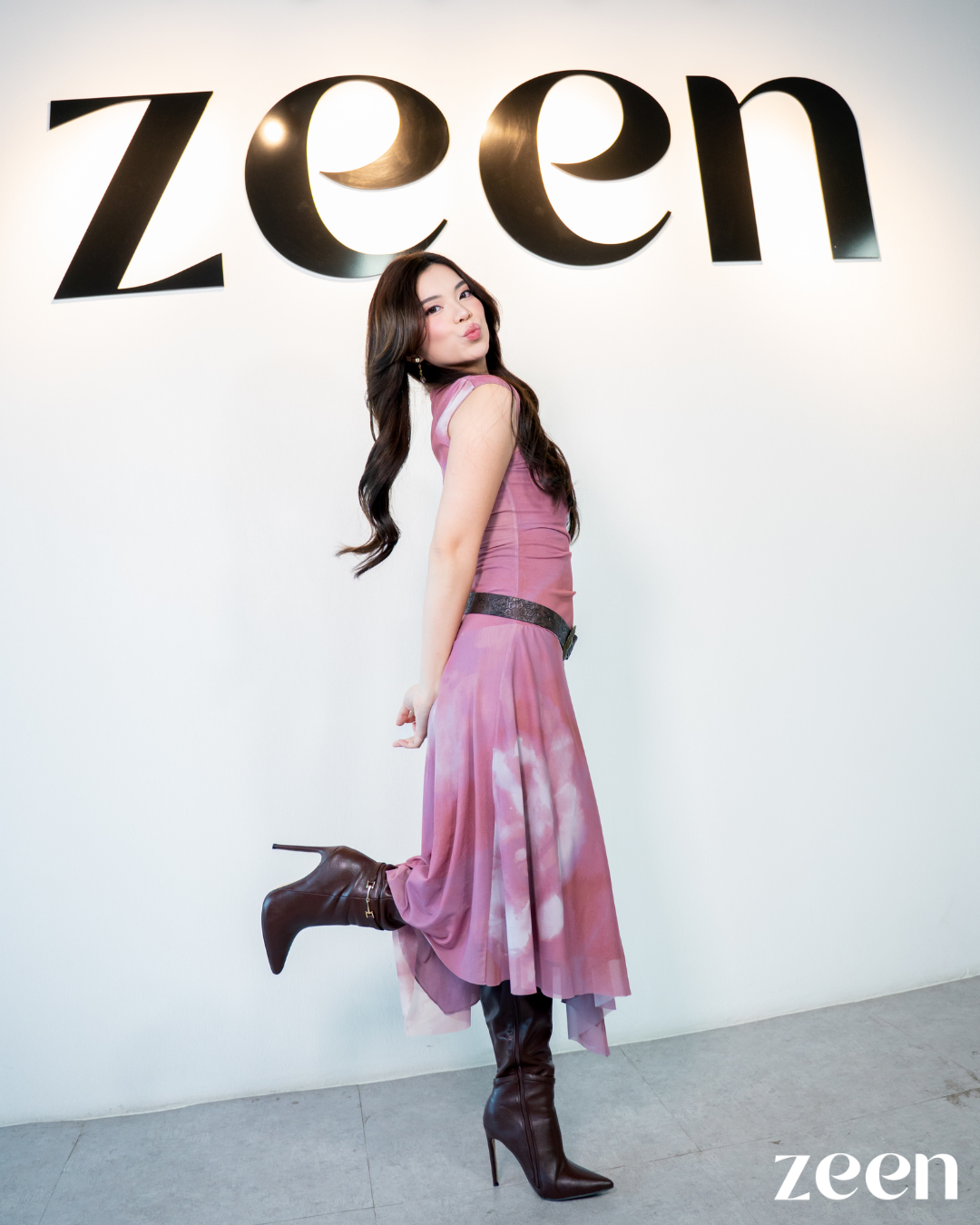
Rather than presenting themselves as untouchable finished products, DNA feels more interested in documenting growth in real time.
“We’re still finding our sound, our style,” Julia conveys when being asked about the group’s aspirations and plan moving forward.

That openness also extends to the pressure surrounding their family name — something the group addresses carefully but directly.
There is clear admiration when they talk about the musical figures in their family: the discipline, the work ethic, the seriousness toward craft. One member describes listening to conversations about vocal technique and musicianship as being transported into “another world.”
But admiration naturally comes with expectations.
DNA never denies the privilege of having support and guidance around them. In fact, they express gratitude for it repeatedly. But what stands out more is their desire to eventually stand on their own identity as artists.
“I just want us to get to the point where we are known for ourselves, we have our own identity” Ezri explains.
That desire becomes most visible when they discuss songwriting.
The trio wants their music to reflect real experiences — family stories, awkward self-expression, confusion in early adulthood, and the process of becoming comfortable in your own skin. Their songs are rooted less in fantasy and more in emotional familiarity.
A growing number of young listeners are gravitating toward artists who feel emotionally transparent rather than impossibly polished. DNA seems to understand that instinctively. They are willing to admit uncertainty. Willing to acknowledge mistakes. Willing to publicly “figure things out” while audiences watch.
“We are young girls in our 20s entering a new industry and really doing our best to figure things out,” Ezri shared.
Even the group’s lighter moments reveal something deeper about their chemistry.
A casual discussion about trio icons somehow spiraled into debates over Winx Club, Powerpuff Girls, and which member best resembles Buttercup, Bubbles, or Mojo Jojo. The conversation dissolves into teasing, interruptions, impressions, and inside jokes.

It’s chaotic in the way only real family dynamics can be.
And perhaps that’s the clearest sign that music truly does run in DNA — not because they inherited instant perfection, but because performance, storytelling, humor, vulnerability, and connection already existed naturally between them long before the spotlight arrived.
Behind the polished visuals and growing P-pop machinery are three girls who are still becoming and are brave enough to let audiences witness the process in real time.
The ZEEN Team
Editor-In-Chief | Real Florido
Photography by | Mike Villamor
Produced by | Murry Tanchanco
Cover Art | Emlan Implica
Feature | Esca Bacordo
Interviewed by | Murry Tanchanco
Production Coordinators | Currie Cator and Allen Castro