
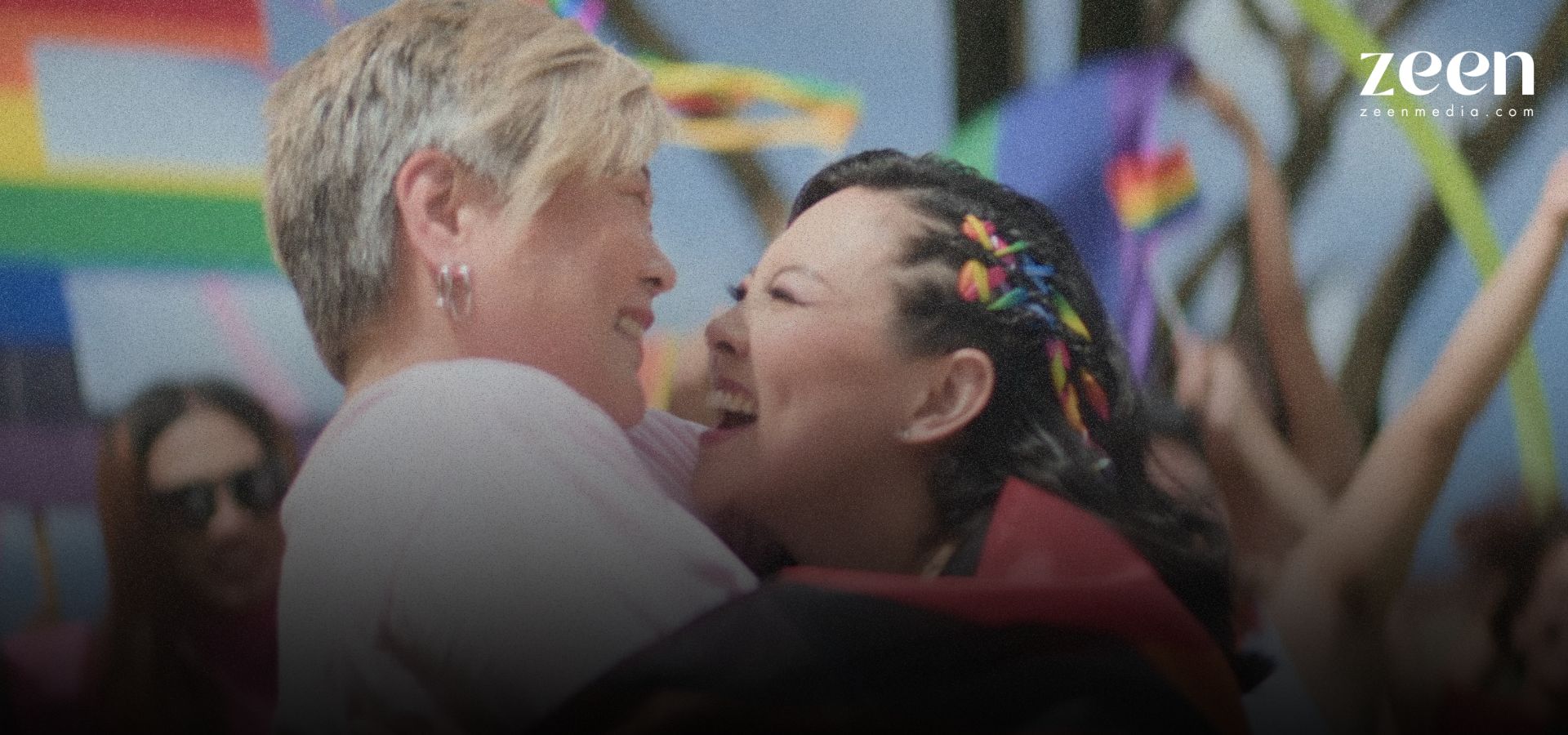
There is something telling about the fact that two seconds of a national anthem video could occupy so much of the national conversation.
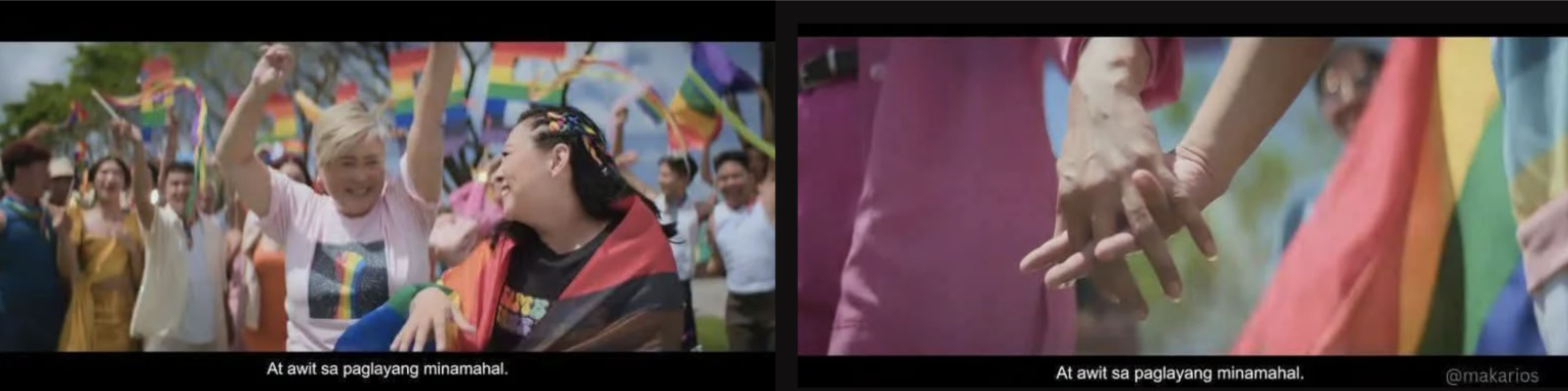
In the latest Department of Education’s official Lupang Hinirang music video, a same-sex couple appears briefly among a montage of Filipinos. Its renewed visibility, following the government’s directive to use the official music video during flag ceremonies, brought familiar arguments back into the conversation: that queer representation is an agenda, that children should be shielded from it, that the national anthem should be kept separate from what some consider social or political issues. It is worth asking why the sight of two women together could be mistaken for a threat to national identity in the first place.
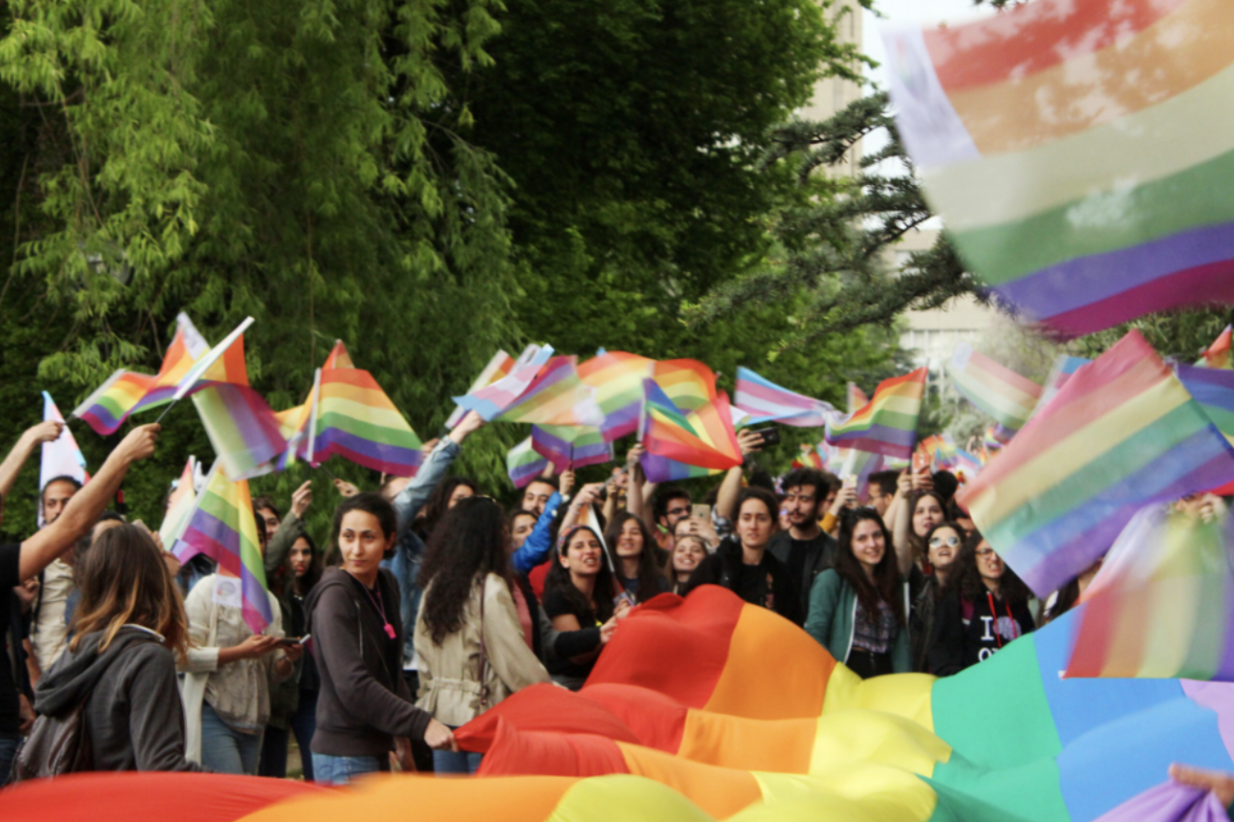
Filipinos are no strangers to queer culture, having long embraced queer personalities and creatives who shape mainstream entertainment. However, acceptance falters outside entertainment.
The Philippines lacks a comprehensive national anti-discrimination law based on SOGIESC. While proposed in various Congresses, the SOGIESC Equality Act remains pending in legislative committees, leaving LGBTQIA+ protections tied to lawmakers’ priorities.
The contrast is difficult to miss. Queer Filipinos can be visible enough to entertain an entire country, but securing legal safeguards against discrimination remains an unfinished fight.
This is the contradiction underneath the outrage over the video. We have learned to make room for queer people when they are performing, making us laugh, or contributing something we can readily appreciate. Their presence becomes more complicated when they appear outside those familiar roles: as partners, parents, teachers, workers, neighbors, and citizens asking to be seen without having to justify their place.
National video representation cannot solve discrimination, grant legal recognition, protect LGBTQIA+ students, or end inequality. A few seconds cannot replace legislation or policy, yet visibility remains essential.
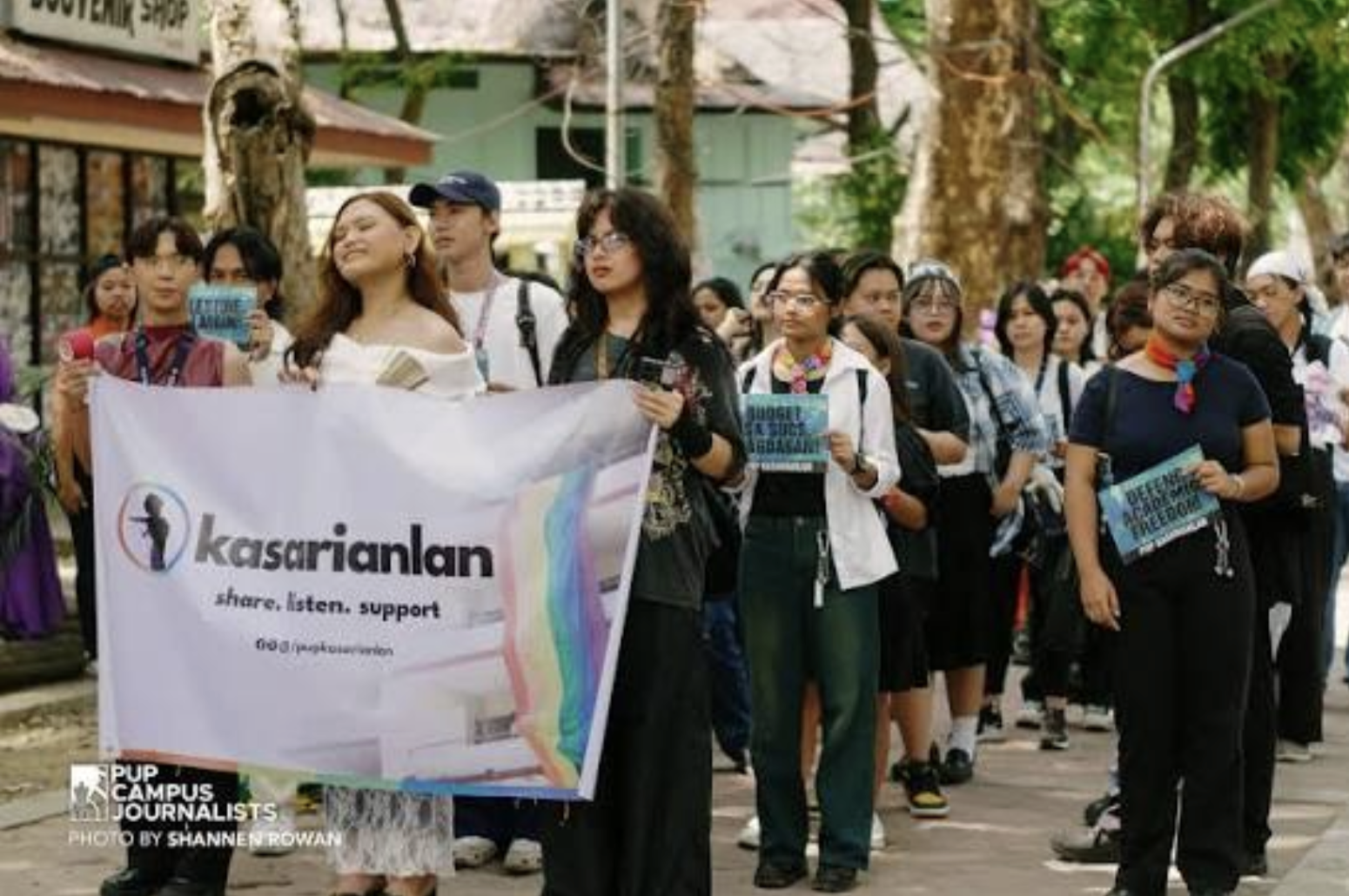
For a young Filipino, seeing familiar faces in the anthem offers reassurance of belonging—reflecting national diversity, not indoctrination. If the anthem is above social issues, we must remember the nation comprises diverse people whose presence honors Lupang Hinirang.
We can debate institutional representation and national symbols, but the existence of queer Filipinos should not be up for debate whenever they appear in public. Two seconds cannot tell a full story, but it is enough to recognize that they belong.